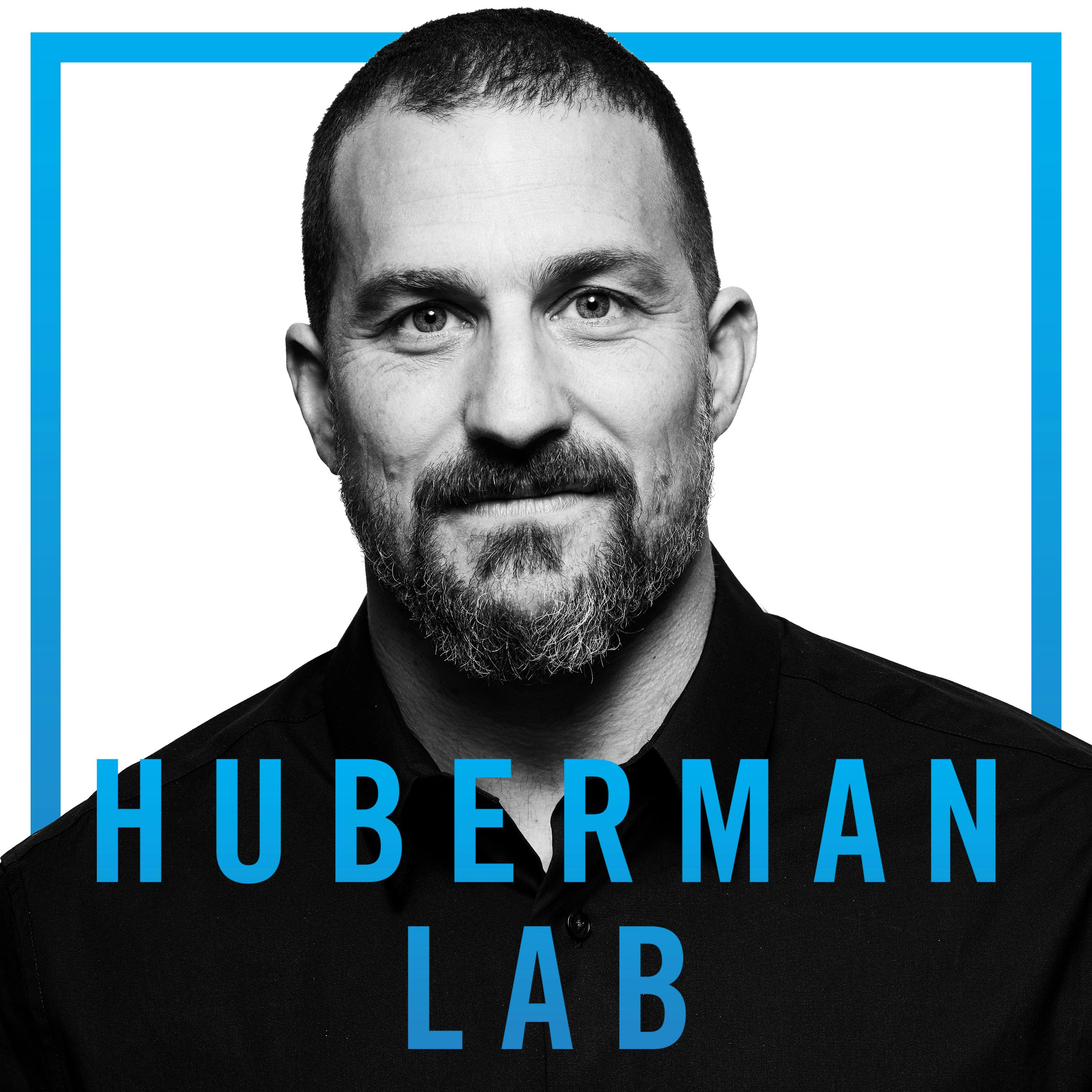
Huberman Lab
The Huberman Lab podcast is hosted by Andrew Huberman, Ph.D., a neuroscientist and tenured professor in the department of neurobiology, and by courtesy, psychiatry and behavioral sciences at Stanford School of Medicine. The podcast discusses neuroscience and science-based tools, including how our brain and its connections with the organs of our body control our perceptions, our behaviors, and our health, as well as existing and emerging tools for measuring and changing how our nervous system works.Huberman has made numerous significant contributions to the fields of brain development, brain function, and neural plasticity, which is the ability of our...
{
"podcast_name": "Huberman Lab",
"hosts": [
"Dr. Andrew Huberman"
],
"language": "de",
"genre": [
"Wissenschaft",
"Gesundheit",
"Selbstoptimierung"
],
"analysis_date": "2025-07-01",
"title": {
"de": "Neurobiologie für den Alltag: Stanford-Professor Huberman liefert wissenschaftsbasierte Tools zur Selbstoptimierung, die oft systemische Kontexte ausblenden.",
"en": "Neurobiology for daily life: Stanford professor Huberman offers science-based tools for self-optimization, often overlooking systemic contexts."
},
"portraits": {
"de": "Dr. Andrew Huberman, Neurobiologe an der Stanford University, übersetzt in seinem Podcast komplexe wissenschaftliche Erkenntnisse in anwendbare „Protokolle“ für den Alltag. In Monologen oder Gesprächen mit Expert:innen behandelt er Themen wie Schlaf, Lernen, Stress und Ernährung. Sein Stil ist eine Mischung aus akademischer Vorlesung und praktischem Ratgeber. Er vermittelt autoritativ, aber verständlich, wie man durch spezifische Verhaltensweisen – von Atemtechniken bis zu Ernährungsumstellungen – Gehirn und Körper gezielt beeinflussen kann. Das Alleinstellungsmerkmal ist die konsequente wissenschaftliche Fundierung, die den Hörer:innen das Gefühl gibt, evidenzbasierte Werkzeuge zur Selbstoptimierung zu erhalten.\n\nHervorzuheben ist die Fähigkeit des Podcasts, Wissenschaft zugänglich und nutzbar zu machen. Die Rückseite der Medaille ist jedoch ein stark reduktionistischer und individualistischer Ansatz. Komplexe Probleme werden oft auf biologische Mechanismen reduziert, die der Einzelne optimieren soll, während soziale, ökonomische oder politische Kontexte weitgehend ausgeblendet werden. Diese Fokussierung auf Selbstoptimierung kann den Blick für strukturelle Ursachen von Problemen verstellen. Der Podcast ist ideal für Hörer:innen, die nach wissenschaftsbasierten „Lifehacks“ suchen, sollte aber mit dem Bewusstsein gehört werden, dass hier primär individuelle Lösungsansätze für oft systemische Herausforderungen propagiert werden.",
"en": "Dr. Andrew Huberman, a Stanford University neurobiologist, translates complex scientific findings into applicable “protocols” for everyday life. In monologues or discussions with experts, he covers topics like sleep, learning, stress, and nutrition. His style is a blend of academic lecture and practical guide. He authoritatively yet clearly explains how to influence the brain and body through specific behaviors—from breathing techniques to dietary changes. The podcast's unique selling point is its consistent scientific foundation, giving listeners the sense that they are receiving evidence-based tools for self-optimization.\n\nA key strength of the podcast is its ability to make science accessible and actionable. The flip side, however, is a strongly reductionist and individualistic approach. Complex issues are often reduced to biological mechanisms for the individual to optimize, while social, economic, or political contexts are largely ignored. This focus on self-optimization can obscure the view of structural causes of problems. The podcast is ideal for listeners seeking science-based life hacks but should be consumed with the awareness that it primarily promotes individual solutions to what are often systemic challenges."
},
"metadata": {
"target_audience": {
"de": "Hörer:innen mit Interesse an wissenschaftlich fundierter Selbstoptimierung, die bereit sind, Ratschläge kritisch zu hinterfragen und individuelle Lösungen zu suchen.",
"en": "Listeners interested in science-based self-optimization who are willing to critically question advice and seek individual solutions."
},
"content_warning": {
"de": "Der Podcast propagiert einen stark individualistischen und oft reduktionistischen Blick auf Gesundheit und Wohlbefinden. Systemische Faktoren werden kaum berücksichtigt.",
"en": "The podcast promotes a highly individualistic and often reductionist view of health and well-being. Systemic factors are rarely considered."
},
"model_used": "gemini-2.5-pro"
}
}